

Discoverering the role of a customs declarant
8th June 2026
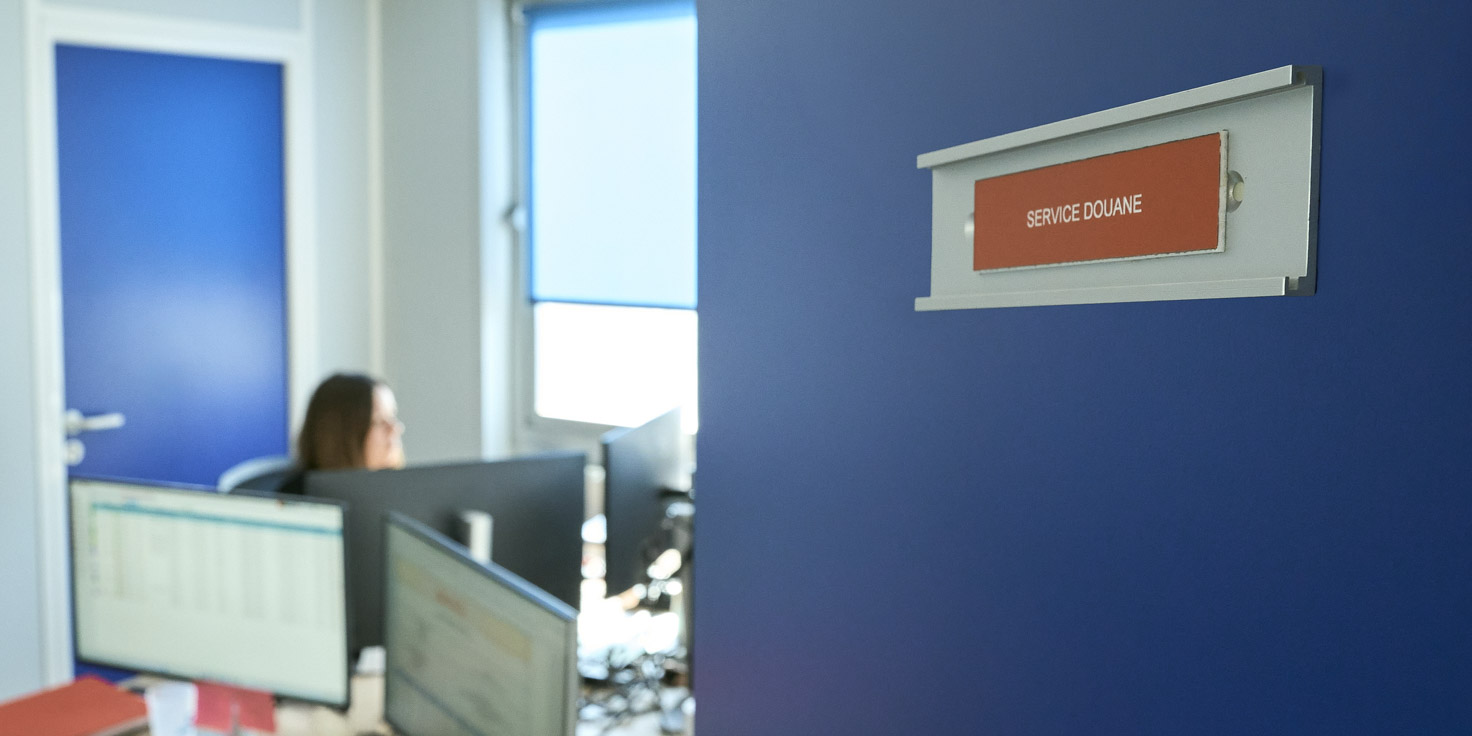
Photos : Gauthier Mignot - Sogestran
Marie, a customs declarant, ensures goods comply with regulations and supports their passage across borders. As part of her profile, she reflects on a professional turning point she had never imagined.
An unexpected shift into customs, encouraged by those around her. The story of a successful career change.
Holding a BTS degree in Management Assistance, she first worked in the commercial sector. It was those around her who first suggested the idea: "I was told that customs would suit me well." She took the leap, resumed her studies through a work-study program, and discovered a profession. In October 2024, she joined the customs department at Sogestran Logistics, then a newly created structure managed by Adrien.
What do your day-to-day responsibilities involve?
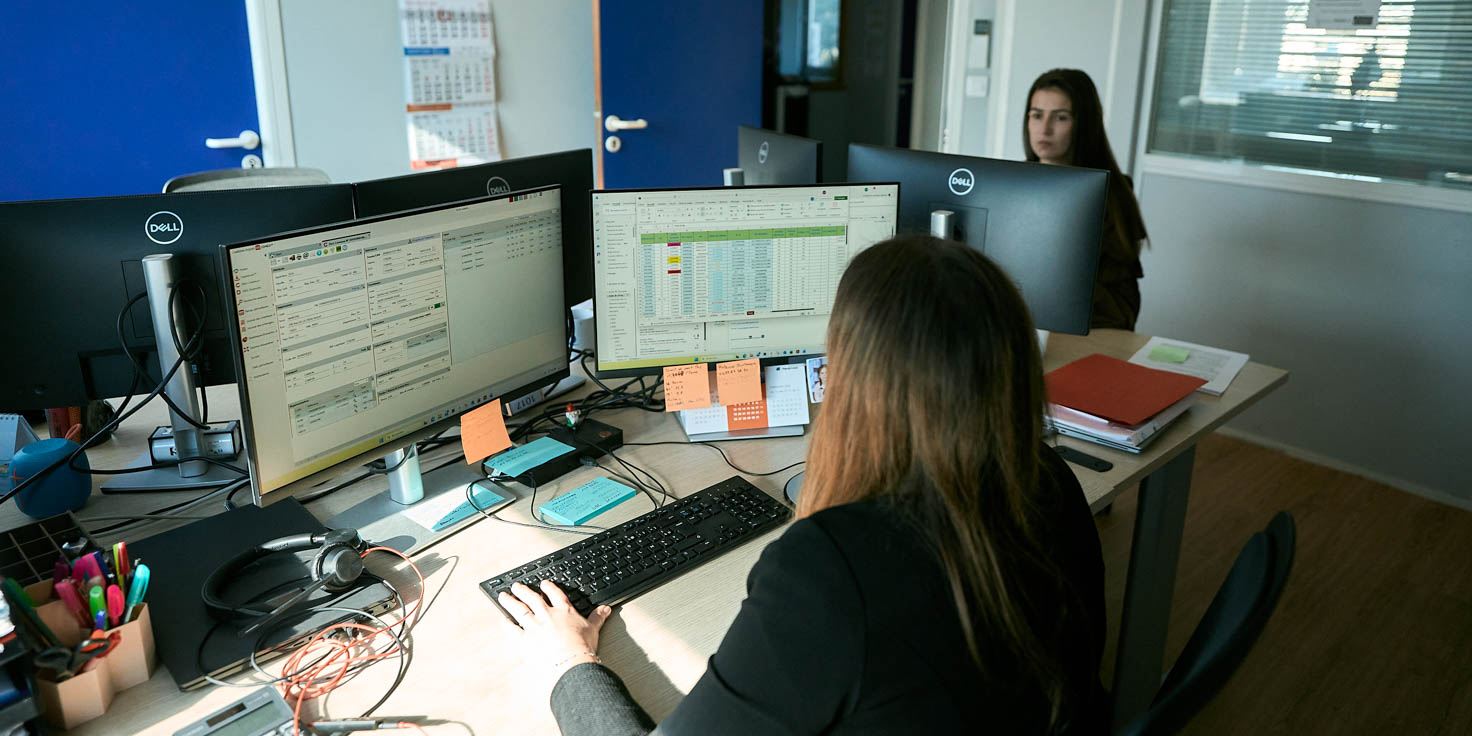
I manage files from A to Z: receiving and validating mandatory documents, preparing customs declarations, applying HS Codes — the international classification codes used to categorize products and determine the amount of customs duties to be applied. It’s precision work. "We may have to revisit a file, so flawless follow-up is essential."
Behind every declaration lies a real responsibility: our department is the one accountable in the event of an inspection, whether it involves a container being opened at the terminal or a documentary check at the customs office.
We handle both imports and exports, which is something I enjoy, as not all customs departments operate this way. Whether dry containers or tank containers, the variety of files is substantial. We can also operate throughout the country, including in air customs clearance, for all products for which we hold certifications.
Customs regulations are constantly evolving. How do you adapt?
Monitoring changes is non-negotiable. Regulations can change from one day to the next. "You have to stay continuously informed." And geopolitical and trade uncertainties only add new constraints to international exchanges.
We also have to deal with IT complexity: customs systems are integrated with various ports and terminals, but there is no single platform. "You have to be curious and rigorous." Those are the two qualities that naturally come to mind when I talk about my job.
The customs department is often at the very end of the chain. How do you experience that?
We are one of the final links in the logistics chain. When a container has traveled across the world to reach its destination, it is often at our stage that everything can get stuck. And when issues arise at the terminal, we find ourselves on the front line facing a client under pressure, even when the problem is not directly within our scope.
But that is also where relationships are built: through responsiveness, professionalism, and understanding the client’s needs. "That’s what makes clients want to come back."
What keeps you motivated in this profession?
The list comes naturally: the diversity of files, the variety of contacts, and the fact that we handle both imports and exports. Above all, there’s this conviction that every new product is an opportunity to learn. "We are always looking for solutions for our clients." That way of working really suits me.
The department is still young, but its growth already speaks for itself. Adrien, Anaïs (a work-study student), and I are building it together. In a regulatory environment that is constantly evolving, I feel exactly where I belong.
Photos : Gauthier Mignot - Sogestran